
The Art of Achieving Timeless, Healthy, and Radiant Skin
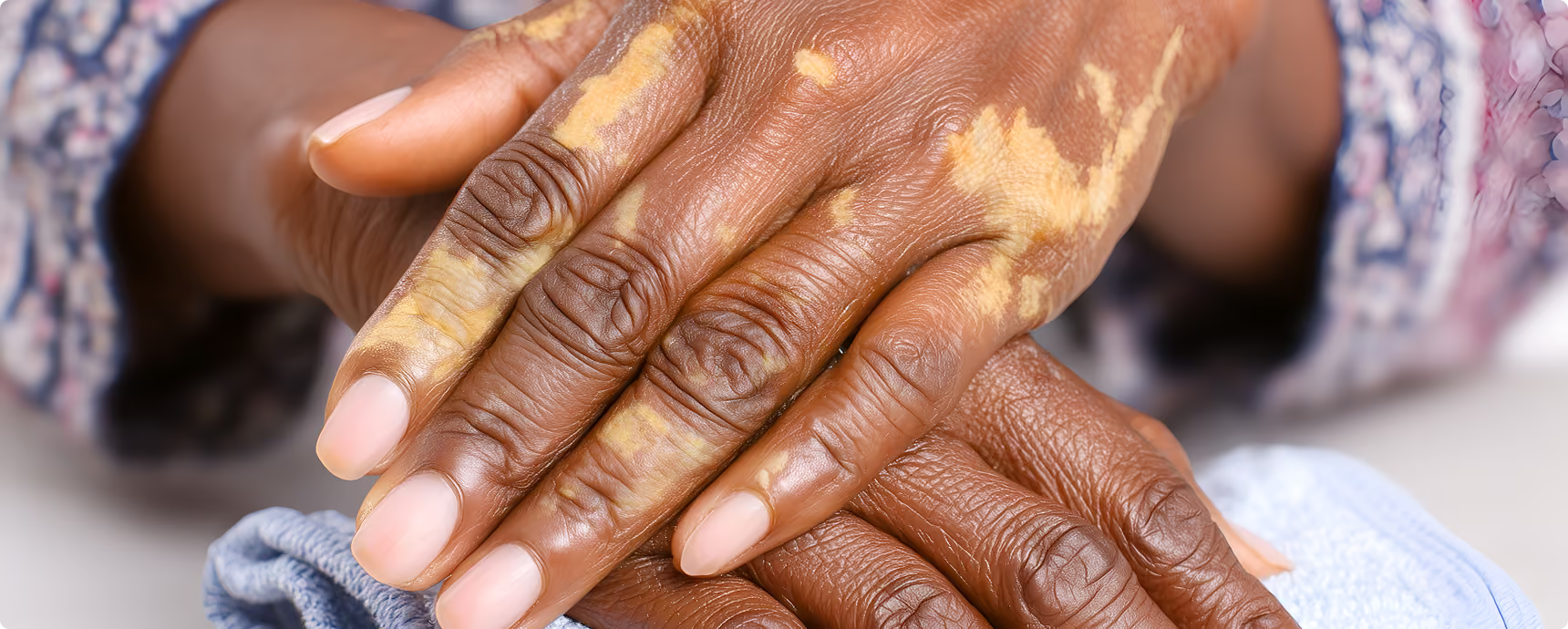


Skin pigmentation can appear as dark spots, uneven patches, or an overall irregular skin tone. Factors such as sun exposure, hormonal changes, inflammation, and skin sensitivity can contribute to pigmentation. Understanding the underlying causes is an important step toward choosing the right approach.
Behind skin discoloration
Pigmentation occurs when skin produces melanin unevenly. Types of pigmentation have different triggers, so personalized assessment helps determine treatment approach for skin.

Expert clinical tip
"Pigmentation requires patience and consistency. Personalized treatment plan with daily protection support balanced-looking results."
Essential skincare routine
- 01. Professional skin assessmentA detailed evaluation identifies the type, pattern, and factors behind pigmentation. This allows professionals to develop a treatment suited to concerns.
- 02. Targeted treatment solutionsAdvanced professional treatments selected to address appearance dark spots uneven tone. Skin needs, treatment focus on improving clarity, texture, and complexion.
- 03. Personalized home careA home-care routine supports treatments and helps maintain improvements. Selected products protect skin barrier and promote complexion.
Lifestyle matters
 Hydration
 Nutrient diet
 Stress relief
 Deep sleep
Results you can expect
A personalized pigmentation-care approach can help reduce the appearance of dark spots, improve uneven skin tone, and reveal a clearer, more radiant-looking complexion. Consistent professional care and daily sun protection can also help support long-term skin health.


